
HTML, or Hypertext Markup Language, is the foundational language of the internet. Every webpage you see, from simple blogs to advanced web applications, begins with HTML. It defines the structure of a webpage and tells the browser how content should be displayed. Understanding it is the first and most essential step for anyone who wants to learn web development, design websites, or simply understand how the internet works.
Table of Contents
What Is HTML and Why Does It Matter
HTML is a markup language made up of elements that structure content into headings, paragraphs, images, links, lists, and more. When a browser loads a webpage, it reads its code and converts it into the visual layout you see on your screen. Without it, there would be no structure, no formatting, and no meaningful content on the web.
It matters because every digital experience online depends on it. Whether you visit social media platforms, e commerce stores, or educational websites, it acts as the skeleton that holds everything together.
How it Works Behind the Scenes
HTML is composed of tags and attributes. Tags tell browsers what kind of content is being used, while attributes provide additional information about that content. For example, the <p> tag represents a paragraph, the <img> tag displays an image, and the <a> tag creates a hyperlink. When combined, these elements help structure webpages in a logical and organized way.
Modern HTML, known as HTML5, includes powerful features that allow developers to embed videos, audio, graphics, and interactive content without relying on external plugins. Websites like YouTube use it to support embedded videos, while educational platforms such as Khan Academy rely on HTML-based structures to deliver interactive lessons. You can learn more about how it transformed the web from resources provided by Mozilla Developer Network.
Understanding the Role of Semantic HTML
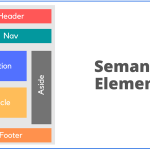
Semantic HTML refers to using tags that describe the meaning of content rather than just its appearance. For example, <header>, <footer>, <article>, and <section> are semantic elements because they tell search engines and screen readers what type of content they contain.
Using semantic HTML improves user experience, accessibility, and SEO. Search engines like Google can better understand and rank pages when their structure is meaningful. Screen readers also rely on these semantic elements to help visually impaired users navigate webpages. This is why professional developers focus heavily on semantic HTML to build accessible and SEO friendly websites.
Key Elements Every Beginner Should Learn
Beginners should start with the most common HTML elements such as headings, paragraphs, images, and links. Headings range from <h1> to <h6> and represent the hierarchy of a webpage. Paragraphs are defined using <p>, while images use <img> with its src attribute to specify the image source. To link from one page to another, the <a> element is used along with its href attribute.
Lists are also important. Ordered lists use <ol> and display numeric points, while unordered lists use <ul> and show bullet points. These elements help organize content clearly and improve readability.
How it Contributes to SEO and User Experience
Search engines rely on HTML structure to understand webpage content. Clean code makes it easier for Google to index, interpret, and rank your site. For example, clear heading structures help search engines identify your main topics, while descriptive alt text on images improves accessibility and ensures that images appear in search results.
User experience also dramatically improves with well written. Properly nested elements, semantic tags, and optimized image attributes reduce loading time and enhance accessibility. A fast, clean, and responsive website is far more likely to keep users engaged and improve conversion rates.
Why it is the Starting Point for Learning Web Development
If you want to learn web development, HTML is where everything begins. It provides the foundation for CSS, which handles styling, and JavaScript, which manages interactivity. Without understanding it, learning advanced technologies becomes difficult.
HTML skills are also valuable for careers in front end development, UI design, digital marketing, blogging, SEO, and content creation. Even if you do not plan to become a full time developer, knowing it helps you customize web templates, fix formatting issues, and build landing pages effectively.
Final Thoughts
HTML is more than just a coding language. It is the foundation of the web and the starting point for every digital experience. Whether you are a student, developer, or business owner, understanding it helps you communicate better with technology, create meaningful web content, and build stronger digital experiences. As you continue exploring it, you unlock greater opportunities to grow your skills and contribute to the ever evolving world of the web.
Also Check About Us.


1 thought on “Introduction to HTML – Powerful Guide – 2025”